





























من أجل العدالة والأمن وحق الشعوب في تقرير المصير قراءة فلسطينية في القانون الدولي وحق البقاء
بقلم: المحامي علي أبو حبلة
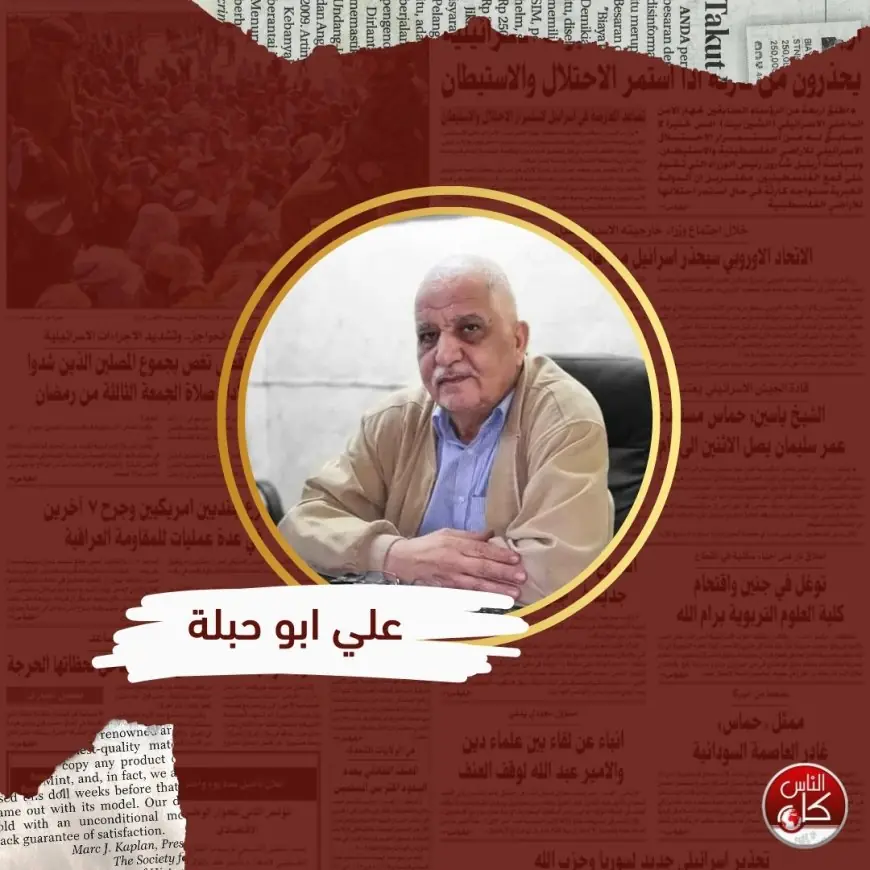
من أجل العدالة والأمن وحق الشعوب في تقرير المصير قراءة فلسطينية في القانون الدولي وحق البقاء
بقلم: المحامي علي أبو حبلة
باحث في القانون الدولي – رئيس تحرير صحيفة صوت العروبة
في ظل ما تشهده القضية الفلسطينية من تصعيد عسكري ومعاناة إنسانية متفاقمة، تبرز الحاجة إلى خطاب قانوني ودبلوماسي هادئ، يخاطب الرأي العام الدولي، بما فيه الرأي العام اليهودي، بلغة العقل والعدالة، بعيدًا عن الانفعال والتعميم، إيمانًا بأن الأمن الحقيقي لا يتحقق بالقوة وحدها، بل بسيادة القانون واحترام الكرامة الإنسانية.
أولاً: حق البقاء في الأرض في ضوء القانون الدولي
إن تمسّك الفلسطيني بأرضه ليس موقفًا سياسيًا عدائيًا، ولا رفضًا للتعايش أو السلام، بل هو حق قانوني أصيل أكدته مبادئ القانون الدولي العام، وفي مقدمتها:
ميثاق الأمم المتحدة، ولا سيما المادة (1) التي نصّت على حق الشعوب في تقرير مصيرها.
قرار الجمعية العامة رقم 1514 (1960) بشأن منح الاستقلال للشعوب والبلدان المستعمَرة.
قرار الجمعية العامة رقم 3236 (1974) الذي أكد الحقوق الوطنية غير القابلة للتصرف للشعب الفلسطيني، بما فيها حق تقرير المصير والاستقلال.
وقد أكدت الأمم المتحدة مرارًا أن الوجود الفلسطيني على أرضه هو وجود شرعي، وأن أي محاولة لاقتلاعه أو تهجيره قسرًا تمثل انتهاكًا صارخًا للقانون الدولي.
ثانيًا: الأراضي المحتلة وعدم جواز فرض الأمر الواقع
أجمع المجتمع الدولي، من خلال قراراته المتعاقبة، على أن الأراضي الفلسطينية المحتلة عام 1967، بما فيها القدس الشرقية، هي أراضٍ محتلة، وأن:
الاستيطان الإسرائيلي غير شرعي وفق قرار مجلس الأمن رقم 2334 (2016).
جميع الإجراءات الرامية إلى تغيير الطابع الديمغرافي أو القانوني للأراضي المحتلة باطلة ولاغية، وفق قرارات مجلس الأمن 242 (1967) و338 (1973).
ضم القدس الشرقية مرفوض دوليًا، كما ورد في قرار مجلس الأمن رقم 478 (1980).
هذه القرارات لا تعبّر عن مواقف سياسية عابرة، بل عن قواعد قانونية ملزمة تشكل جزءًا من النظام الدولي القائم على عدم جواز الاستيلاء على الأرض بالقوة.
ثالثًا: حماية المدنيين ورفض العقاب الجماعي
إن حماية المدنيين في أوقات النزاع المسلح ليست مسألة أخلاقية فحسب، بل التزام قانوني واضح نصت عليه اتفاقيات جنيف لعام 1949، ولا سيما الاتفاقية الرابعة المتعلقة بحماية المدنيين تحت الاحتلال.
وقد شددت قرارات الأمم المتحدة المتعددة على:
حظر العقاب الجماعي،
رفض التهجير القسري،
وضرورة ضمان وصول المساعدات الإنسانية دون عوائق.
إن احترام هذه القواعد لا يشكل تهديدًا لأمن أي شعب، بل هو شرط أساسي لمنع دوامات العنف المتكررة.
رابعًا: العدالة كمدخل للأمن والسلام
إن التجربة التاريخية تؤكد أن الأمن القائم على القوة وحدها يبقى هشًا ومؤقتًا، بينما الأمن القائم على العدالة واحترام الحقوق هو وحده القادر على الصمود.
من هذا المنطلق، فإن الفلسطينيين، رغم معاناتهم الممتدة، ما زالوا يؤكدون أن السلام العادل خيار استراتيجي، شريطة أن يقوم على:
إنهاء الاحتلال،
الاعتراف المتبادل بالحقوق،
والمساواة أمام القانون دون تمييز.
السلام العادل لا يُقصي أحدًا، ولا ينتقص من أمن أي طرف، بل يفتح أفقًا للتعايش المستدام.
خامسًا: مسؤولية المجتمع الدولي والرأي العام
إن استمرار الصراع لا يعود فقط إلى تعقيداته التاريخية، بل أيضًا إلى غياب التطبيق المتوازن للقانون الدولي.
إن ترسيخ مفهوم سيادة القانون الدولي، بعيدًا عن الانتقائية أو ازدواجية المعايير، يشكل حجر الزاوية لأي حل سياسي قابل للحياة.
وهنا، فإن الرأي العام الدولي، بما فيه قطاعات متزايدة داخل المجتمعات اليهودية حول العالم، مدعو إلى دعم مقاربة قانونية وأخلاقية ترى في العدالة أساسًا للأمن، وفي حقوق الإنسان قيمة عالمية غير قابلة للتجزئة.
خاتمة
إن تمسّك الفلسطيني بحقه في البقاء على أرضه ليس دعوة للصراع، بل دعوة للعدالة.
وإن انتصار القانون الدولي لا يعني هزيمة طرف، بل يمثل انتصارًا للإنسانية جمعاء، وضمانة لمستقبل أكثر أمنًا واستقرارًا في هذه المنطقة.
هنا، على هذه الأرض، يتمسك الفلسطيني بحقه في الحياة والحرية، مؤمنًا بأن العدالة، مهما طال انتظارها، لا بد أن تنتصر.
-----------------*------------*------*--**---------**
فيما يلي للترجمة للمقال باللغة الإنجليزية
**For Justice and Shared Security:
A Palestinian Perspective on International Law and the Right to Remain**
By: Ali Abu Hableh
International Law Attorney – Editor-in-Chief of Sawt Al-Orouba Newspaper
At a time of unprecedented escalation and deepening humanitarian suffering in Palestine, there is an urgent need for a rational, legal, and ethical discourse that places human dignity at the center of any political vision.
This article addresses the international community, including Jewish public opinion worldwide, with the conviction that justice is indivisible, and that lasting security cannot be achieved through force, displacement, or denial of the other’s existence, but through the rule of law and respect for fundamental human rights.
I. The Right to Remain: A Legal Principle, Not a Political Provocation
The Palestinian people’s attachment to their land is not an act of hostility nor a rejection of coexistence. It is a legitimate and legally protected right, firmly rooted in international law.
The United Nations Charter, particularly Article 1, enshrines the principle of self-determination of peoples. This principle was further affirmed by:
UN General Assembly Resolution 1514 (1960) on the granting of independence to colonial countries and peoples;
UN General Assembly Resolution 3236 (1974), which explicitly recognizes the inalienable rights of the Palestinian people, including the right to self-determination and national independence.
Accordingly, the Palestinian presence on their land is lawful and protected, while any attempt at forced displacement constitutes a grave violation of international law.
II. Occupied Territory and the Prohibition of Acquiring Land by Force
The international community has consistently affirmed that the Palestinian territories occupied in 1967, including East Jerusalem, are occupied territories under international law.
Key UN Security Council resolutions include:
Resolution 242 (1967) and Resolution 338 (1973), which emphasize the inadmissibility of acquiring territory by war;
Resolution 478 (1980), which rejects Israel’s annexation of East Jerusalem and declares such measures null and void;
Resolution 2334 (2016), which confirms that Israeli settlements in the occupied Palestinian territory have no legal validity and constitute a flagrant violation of international law.
These resolutions are not political statements, but expressions of binding legal principles forming the backbone of the international legal order.
III. Protection of Civilians and the Prohibition of Collective Punishment
The protection of civilians in armed conflict is a cornerstone of international humanitarian law.
The Fourth Geneva Convention (1949) obligates an occupying power to protect the civilian population and explicitly prohibits:
Collective punishment,
Forced displacement,
Destruction of civilian property,
And obstruction of humanitarian assistance.
Respect for these obligations does not undermine security; rather, it prevents cycles of violence and retaliation and upholds the moral foundations of international peace.
IV. Justice as the Foundation of Peace and Security
Historical experience demonstrates that security built solely on military dominance is inherently fragile.
By contrast, security grounded in justice, equality, and legal accountability offers the only sustainable path toward peace.
Despite decades of displacement, occupation, and hardship, Palestinians continue to affirm that a just peace remains a strategic choice, provided it is based on:
Ending the occupation,
Mutual recognition of rights,
Equality before the law,
And the rejection of discrimination in all its forms.
Peace rooted in justice does not threaten any people’s existence; it enhances collective security and human dignity.
V. International Responsibility and the Role of Public Opinion
The persistence of the conflict is not solely the result of historical complexity, but also of the failure to consistently enforce international law.
Selective application and political double standards undermine confidence in the international system and perpetuate instability.
Global public opinion—including growing segments of Jewish communities worldwide—is increasingly called upon to support a legal and ethical framework that views human rights as universal and indivisible, and international law as a safeguard for all peoples, without exception.
Conclusion
The Palestinian people’s insistence on remaining on their land is not a call for conflict, but a call for justice.
The triumph of international law is not the defeat of any nation; it is a victory for humanity as a whole.
On this land, Palestinians remain—committed to life, dignity, and freedom—firm in the belief that justice, even if delayed, must ultimately prevail.